








The quiet rollout of AI-powered retail experiences by companies like Carrefour signals something much bigger than a simple tech experiment. While it hasn’t generated the kind of buzz typically associated with AI breakthroughs, its implications could reshape how consumers discover, evaluate, and ultimately purchase products.
Carrefour’s Customer Engagement Through AI
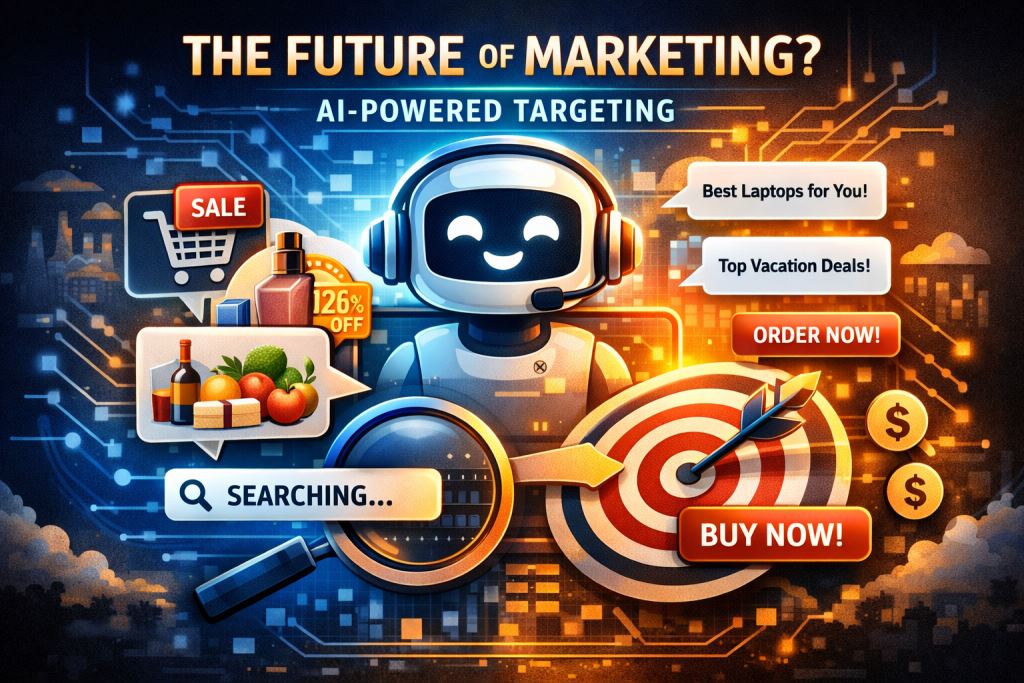
Carrefour has begun integrating conversational commerce into platforms like ChatGPT, allowing users to receive curated shopping recommendations through natural dialogue. Instead of browsing static product listings, customers can now ask questions like “What’s a healthy breakfast under 50 bucks?” or “Best wines for a dinner party,” and receive tailored suggestions.
With this step Carrefour has become the first European retailer to allow its customers build a shopping basket automatically as part of a conversation with the Chatbot, before proceeding to selecting delivery options and completing the purchase on their online store. This essentially transforms the way people search, plan and purchase online.
This approach shifts the retail experience from search-driven to intent-driven. Carrefour isn’t just listing products – it’s positioning itself as a decision-making assistant. The subtlety here is important: recommendations feel conversational rather than promotional, blurring the line between assistance and advertising.
Other Brands are in on the Trend
Carrefour is not alone. Major brands and platforms are exploring similar integrations:
- Instacart has experimented with AI-powered shopping assistants.
- Amazon continues to embed AI into its recommendation engines, now increasingly conversational.
- Walmart has also tested AI assistants for personalized shopping.
Even outside retail, travel and food delivery platforms are moving toward AI-led discovery, suggesting that this is less a trend and more a structural shift in digital commerce.
The Extent of Customer Experience Through AI
What makes this evolution significant is the depth of interaction. AI doesn’t just recommend – it contextualizes. It remembers preferences, adapts to budgets, and can refine suggestions in real time. A user can iterate: “Make it vegetarian,” “Cheaper options,” or “Available nearby.”
This creates a highly personalized funnel where the AI effectively replaces:
- Search engines
- Product comparison sites
- Even human sales assistants
In such a setup, the AI becomes the primary interface between brands and consumers, eventually entering into an era of “Agentic Commerce” where and AI will be able to manage purchase and transaction decisions on behalf of consumers.
Advantages vs Disadvantages
Advantages:
- Convenience: Faster decision-making with curated options
- Personalization: Recommendations tailored to individual preferences
- Discovery: Users may find products they wouldn’t have searched for
Disadvantages:
- Bias Risk: Recommendations could be influenced by commercial partnerships
- Loss of Neutrality: AI may prioritize sponsored products over better ones
- Reduced Exploration: Users might rely too heavily on AI suggestions, limiting independent research
The core concern is trust. If users begin to suspect that AI responses are commercially influenced, the entire value proposition of conversational AI could erode.
Claude’s Pushback: “Ads Are Coming to AI, But Not Here”
In a subtle but pointed move, Anthropic – the company behind Claude – released promotional messaging emphasizing that their platform would remain free from advertising influence.
The tone of the campaign bordered on satire, highlighting scenarios where AI assistants push irrelevant or intrusive product suggestions. The message was clear: while the industry may be heading toward monetized responses, Claude aims to position itself as a “clean” alternative.
This creates an interesting divide in the AI ecosystem:
- Commercial AI models integrated with retail and advertising
- Purist AI models emphasizing neutrality and user trust
From Google Ads to AI Recommendations
Digital advertising has evolved dramatically over the past two decades. From banner ads to targeted campaigns on Google Search, the shift has always been toward greater personalization and intent matching.
AI recommendations are the next logical step:
- Google Search → “Here are links”
- Social media → “Here’s what you might like”
- AI assistants → “Here’s what you should buy”
The difference is subtle but powerful. AI doesn’t just present options—it interprets needs. This gives it unprecedented influence over consumer decisions.
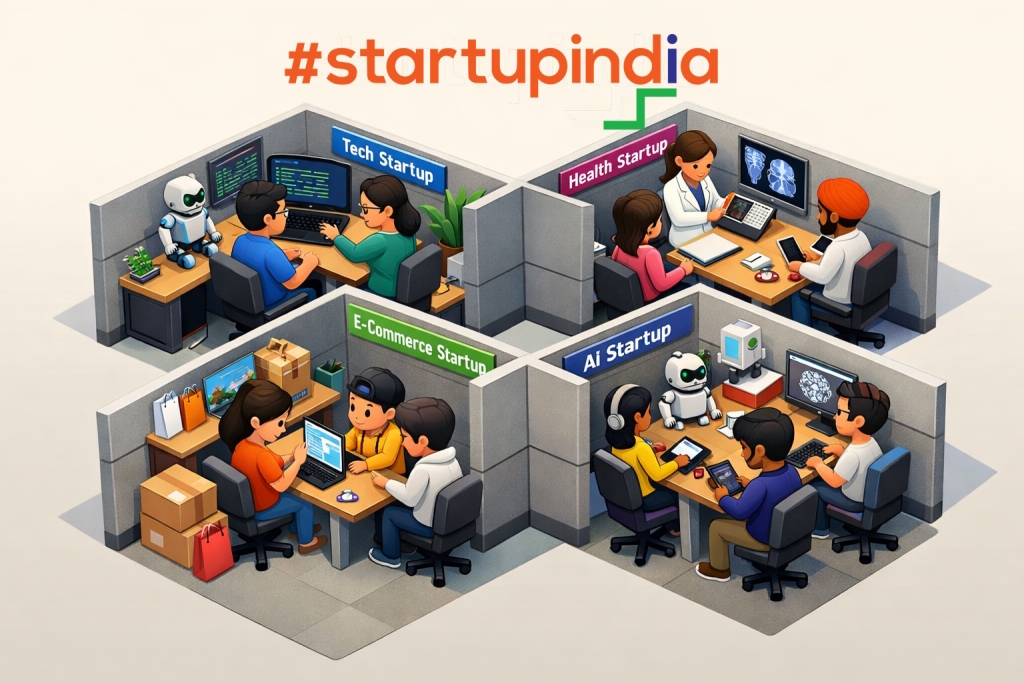
Impact on Hyperlocal Businesses: Which Boat Should You Jump?
For hyperlocal businesses – small retailers, neighborhood stores, independent brands – this shift presents both opportunity and risk.
Opportunities:
- AI platforms could surface local businesses based on proximity and relevance
- Smaller brands may gain visibility without massive ad budgets
Risks:
- Larger brands with deeper pockets may dominate AI recommendation pipelines
- Local businesses could become invisible if they’re not integrated into these ecosystems
The key question becomes strategic:
Should businesses invest in optimizing for AI discovery (structured data, partnerships, APIs), or double down on traditional channels like local SEO and community engagement?
In simple terms, there may not be much of a choice. SEO was killed off by search engines themselves. Both Search Engines and Social Networking sites diminished organic traffic in favour of advertising models. Online communities require time and efforts to nurture. Integrating with AI is perhaps the natural progression.
The Bigger Picture
Carrefour’s experiment may seem incremental, but it touches a fundamental question about the future of AI: Will AI remain an impartial assistant, or evolve into a commercially driven intermediary?
If AI becomes the gatekeeper of consumer choice, then whoever influences the AI effectively controls the market. The challenge for the industry will be balancing monetization with trust—because once users feel they’re being “sold to” rather than “helped,” the entire conversational paradigm could collapse.
For now, we’re at the beginning of this transition. But the direction is clear: the future of commerce may not be searched – it may simply be suggested.